

The fascinating journey of gambling through history from ancient games to modern casinos
The Origins of Gambling: Ancient Civilizations
The history of gambling stretches back thousands of years, with evidence of games of chance found in ancient civilizations such as Mesopotamia, Egypt, and China. These early societies engaged in various forms of gambling, often linked to religious practices and community events. Archaeological findings, including dice made from animal bones and ancient gaming boards, highlight the role of chance in everyday life and social interaction. Today, you can explore the best bitcoin betting sites that reflect the evolution of gambling in modern times.
In ancient China, gambling took on unique forms, including the earliest recorded lottery around 205 BC. It was not merely a pastime; it served as a means of raising funds for public projects. Similarly, in ancient Rome, gambling was prevalent among soldiers and civilians alike, featuring dice games and betting on gladiatorial contests, reflecting the culture’s affinity for risk and competition.
The Rise of Gambling in the Middle Ages
The Middle Ages marked a significant evolution in gambling practices across Europe. This period saw the emergence of card games, which were believed to have originated in Asia and made their way to Europe through trade routes. The introduction of playing cards added a new dimension to gambling, allowing for both strategy and chance, which captivated a growing audience.
During this time, various regulations began to emerge as governments sought to control gambling activities. In England, laws were enacted to curb excessive gambling, yet the popularity of games like dice and cards continued to thrive. This tension between regulation and indulgence laid the groundwork for the more structured gambling environments that would emerge in later centuries.
The Birth of Casinos and Legalized Gambling
The 17th century heralded the establishment of the first official casinos, with the Casino di Venezia in Italy being one of the oldest. These venues transformed gambling into a more sophisticated social activity, attracting nobles and wealthy patrons. The design and atmosphere of casinos began to emphasize luxury and entertainment, creating a new cultural phenomenon.
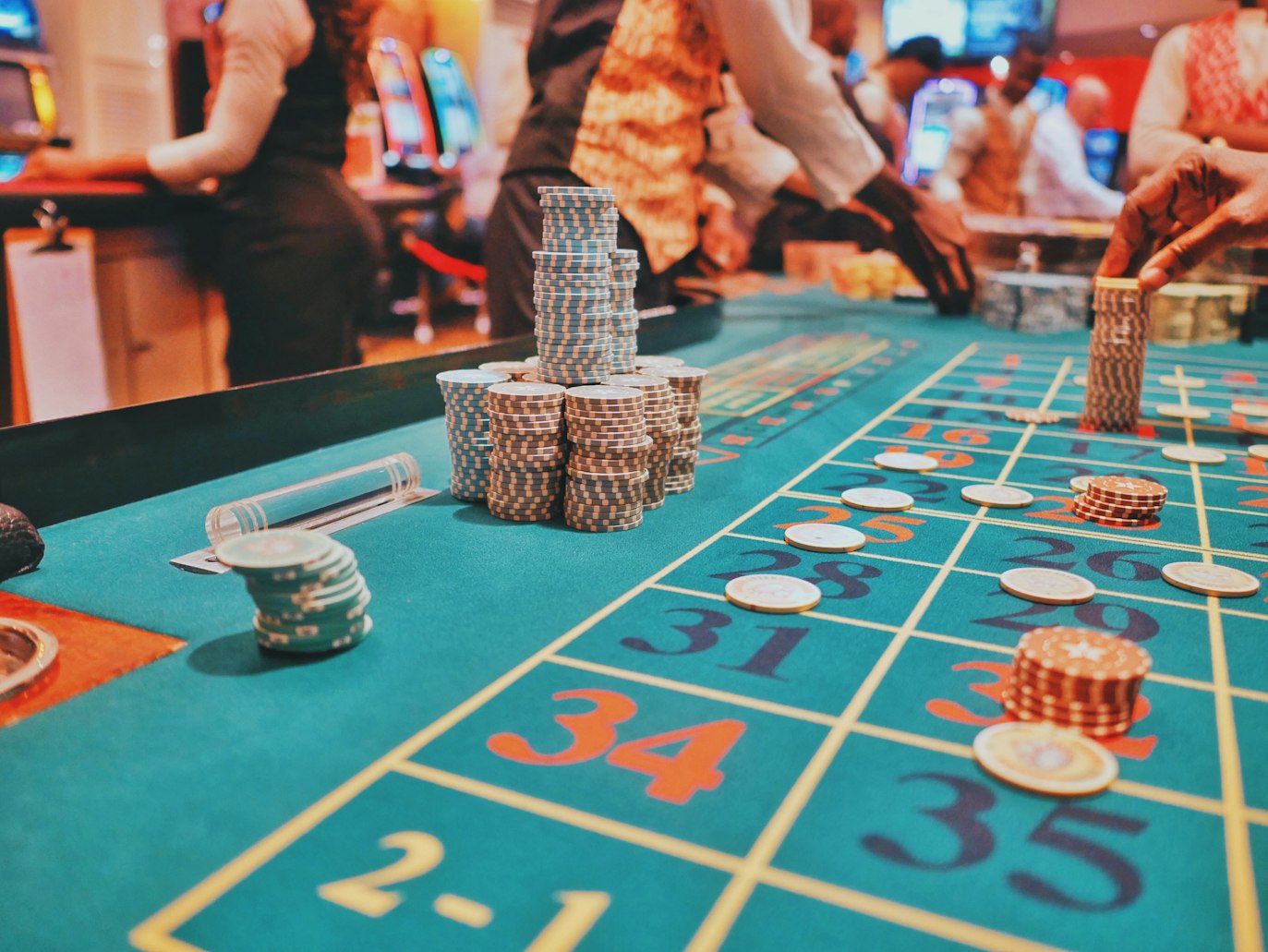
As the concept of legalized gambling spread throughout Europe and eventually to the Americas, so too did the variety of games offered. This period saw the popularization of games such as roulette and baccarat, which became staples in casinos. By the 19th century, gambling houses were common in major cities, indicating that the public’s appetite for chance-based entertainment had firmly taken root.
The Impact of Technology on Modern Gambling
The 20th century witnessed transformative changes in the gambling industry, particularly with the advent of technology. The introduction of electronic slot machines revolutionized the gaming experience, making it more accessible and appealing to a wider audience. The rise of Las Vegas as a gambling capital showcased the fusion of entertainment and gambling, further solidifying its place in popular culture.
The internet age brought about a seismic shift in how gambling is conducted, leading to the rise of online casinos and sports betting platforms. This digital revolution allowed players to engage in gambling from the comfort of their homes, resulting in a dramatic increase in participation. The integration of mobile technology further enhanced this experience, allowing users to place bets anytime, anywhere.
Exploring Responsible Gambling Today
In the modern landscape of gambling, there is a strong emphasis on responsible gaming practices. With the proliferation of online betting options, it has become essential for players to approach gambling with mindfulness and self-regulation. Various organizations promote awareness about the potential risks associated with gambling and provide resources to help individuals gamble responsibly.
Tips for responsible gambling include setting limits on time and money spent, avoiding gambling under the influence of alcohol or drugs, and recognizing when to take breaks. As the industry continues to evolve, education and support for responsible gambling remain crucial, ensuring that enjoyment does not turn into harm.

Conclusion: The Future of Gambling
The journey of gambling from ancient games to modern casinos illustrates not just a change in societal attitudes but also the remarkable adaptability of this pastime. As we move forward, the industry will continue to innovate, integrating new technologies and catering to diverse audiences while emphasizing responsible gambling practices. Understanding the rich history of gambling can help players appreciate the depth of this intriguing activity.
As the landscape of gambling evolves, staying informed about the latest trends and best practices is essential. Whether you’re exploring traditional casinos or venturing into the world of online gaming, knowledge is your best ally. Embrace the thrill of gambling while making responsible choices for a safe and enjoyable experience.